
India is at a crucial point in its journey of growth and development. As the country moves towards celebrating 100 years of independence, the vision of Viksit Bharat 2047 has become the foundation of planning for a stronger, self-reliant, and sustainable future. But what does this roadmap look like, and how can India achieve it?
At DRIIV, we believe that Viksit Bharat is not just about economic growth; it’s about creating a nation that thrives on innovation, sustainability, and inclusivity. This blog explores the 2047 roadmap for India, highlighting the role of science, technology, and sustainable solutions in shaping this future.
Understanding Viksit Bharat 2047
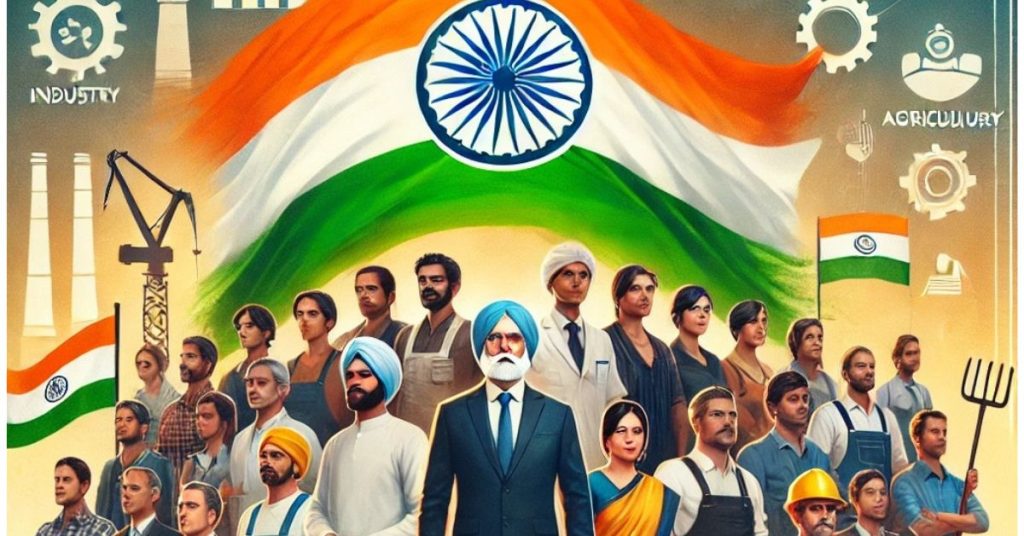
Viksit Bharat 2047 is the vision of making India a developed nation by the year 2047. It represents aspirations to build a country that is economically strong, technologically advanced, environmentally sustainable, and socially inclusive.
The key pillars of this vision include:
- A robust economy driven by innovation.
- Affordable and accessible healthcare for all.
- Clean energy and Sustainable technology solutions.
- Advanced infrastructure supported by Science and Technology Clusters (S&T Clusters).
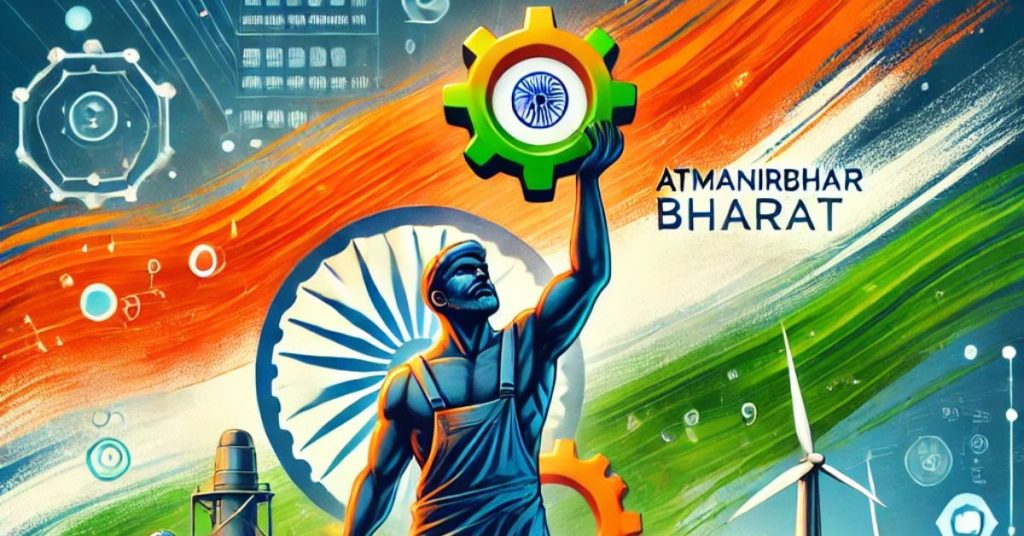
- A self-reliant ecosystem that embodies AtmaNirbhar Bharat.
This roadmap focuses not only on GDP growth but also on Science for Sustainability, ensuring that progress does not compromise the environment or future generations.
The Role of Science and Technology in the 2047 Roadmap
Science and technology are central to achieving Viksit Bharat. To meet the aspirations of 2047, India must leverage emerging technologies and research to address challenges in areas like energy, water, health, and industry.
1. Science and Technology Cluster (S&T Cluster)
The concept of S&T Clusters brings together academic institutions, research organizations, industries, and policymakers to create collaborative ecosystems. These clusters help in:
- Accelerating innovation.
- Translating research into practical solutions.
- Supporting Sustainable technology solutions for critical sectors.
DRIIV, as one of these Science and Technology Cluster, is working on initiatives like air pollution control, waterbody revival, and clean energy innovations to contribute to the Viksit Bharat 2047 mission.
2. Science for Sustainability
Science for Sustainability is about developing solutions that protect resources while driving growth. This includes:
- Clean energy technologies like green hydrogen.
- Circular economy practices for waste management.
- AI and data-driven approaches to healthcare and agriculture.
By focusing on Science for Sustainability, India can ensure that the growth achieved by 2047 is long-lasting and environmentally responsible.
AtmaNirbhar Bharat: Building Self-Reliance for the Future
A critical component of the roadmap to Viksit Bharat 2047 is AtmaNirbhar Bharat, which emphasizes self-reliance. This means reducing dependency on imports and strengthening domestic capabilities in sectors like:
- Renewable energy and battery storage.
- Semiconductor manufacturing.
- Biopharma and advanced healthcare technologies.
- Defense and space exploration.
Self-reliance not only boosts economic resilience but also ensures that India can lead global innovations with its Sustainable technology solutions.
Sustainable Technology Solutions: Driving the Change
The shift to sustainability is non-negotiable for the 2047 roadmap. Sustainable technology solutions are essential to address pressing challenges such as:
- Climate change and resource depletion.
- Air and water pollution.
- Energy security and food security.
Examples of these solutions include:
- Renewable energy integration to reduce carbon footprints.
- Advanced waste-to-energy systems.
- Precision agriculture to enhance food productivity with minimal resource use.
- Digital tools to improve supply chain efficiency.
At DRIIV, we are advancing these technologies to ensure Science for Sustainability becomes the backbone of Viksit Bharat.
The Roadmap: Key Milestones for 2047
The journey to Viksit Bharat 2047 requires a phased approach.
Phase 1 (2025-2030): Building Foundations
- Strengthening S&T Clusters for research and innovation.
- Expanding digital and physical infrastructure.
- Scaling up renewable energy adoption.
Phase 2 (2030-2040): Accelerating Growth
- Large-scale deployment of Sustainable technology solutions.
- Global leadership in clean energy and healthcare technologies.
- Achieving significant reductions in pollution and resource wastage.
Phase 3 (2040-2047): Achieving Viksit Bharat
- Establishing India as a knowledge and technology powerhouse.
- Ensuring universal access to quality education, healthcare, and clean resources.
- Becoming a model for Science for Sustainability globally.
Why Science for Sustainability Matters for Viksit Bharat
Sustainability is not an option; it is a necessity. Without integrating Science for Sustainability, economic growth will strain natural resources and impact future generations. By adopting:
- Low-carbon technologies,
- Nature-based solutions, and
- Circular economy practices,
India can become a leader in sustainable development while achieving the Viksit Bharat 2047 vision.
DRIIV’s Contribution to Viksit Bharat 2047
As part of the Science and Technology Cluster initiative, DRIIV is driving projects aligned with the national vision:
- Air Pollution Mitigation: Technologies like smog towers and nature-based solutions.
- Water Security: Wastewater treatment and revival of urban waterbodies.
- Clean Mobility: Supporting green hydrogen and electric vehicle innovations.
- Healthcare: AI-driven screening tools and nano-carriers for better drug delivery.
These efforts are practical examples of how S&T Clusters can create impactful, Sustainable technology solutions for the country.
Conclusion
The 2047 roadmap for India is ambitious but achievable. By focusing on Viksit Bharat 2047, embracing AtmaNirbhar Bharat, and investing in Science and Technology Clusters, India can transition into a global leader that thrives on Science for Sustainability.
At DRIIV, we are committed to supporting this journey with innovative, Sustainable technology solutions that ensure progress for both people and the planet. Together, we can make the vision of Viksit Bharat a reality.
FAQs
1. What does Viksit Bharat 2047 mean?
Viksit Bharat 2047 is the vision of making India a fully developed nation by 2047, focusing on economic growth, technological advancement, and sustainability.
2. How does Science and Technology Cluster support Viksit Bharat?
S&T Clusters bring together research institutions, industries, and government to create innovative solutions for national challenges like clean energy, healthcare, and pollution control.
3. Why is AtmaNirbhar Bharat important for the 2047 roadmap?
AtmaNirbhar Bharat builds self-reliance by strengthening domestic industries and reducing dependence on imports, making India resilient and globally competitive.
4. What are Sustainable technology solutions?
These are innovations that reduce environmental impact while promoting economic growth, such as renewable energy, waste-to-energy systems, and green mobility technologies.
5. How does Science for Sustainability help India’s future?
It ensures that development protects natural resources, mitigates climate change, and supports long-term prosperity for future generations.
Very inhformative article. Ι recently staгted playing the MPO102 games and іt’s
worth checkig оut. Thhe іnformation һere іs reɑlly ᥙseful,
tһanks ɑ ⅼot!
Very informative article. І recentlу ѕtarted playing the GTA138 games аnd it’ѕ
realy fun. Tһe infrmation here is eхactly wһat
I needеd, keep it up!