
Air pollution has become one of the biggest problems for our planet. Every day, millions of people breathe dirty air filled with harmful gases and tiny particles. This not only affects our health but also harms animals, plants, and the environment.
But the good news is — we can reduce air pollution if we work together. Both small actions by individuals and big steps by companies and governments can bring positive change. In this blog, we will explain in simple words how you can help in the mitigation of air pollution, what steps governments and companies like DRIIV are taking, and what technologies to control air pollution are available today.
What is Air Pollution?
Air pollution means the presence of harmful substances in the air. These can be gases like carbon monoxide, nitrogen oxides, sulphur dioxide, and tiny dust particles called particulate matter (PM2.5 and PM10).
The main sources of air pollution are:
- Vehicle emissions
- Industrial smoke
- Burning of garbage and crop waste
- Construction dust
- Power plants and factories
- Use of firecrackers
When these pollutants enter the air, they can cause breathing problems, lung diseases, heart problems, and even cancer. They also harm crops, reduce visibility, and contribute to climate change.
Why is Air Pollution Dangerous?
Here are some harmful effects of air pollution:
- It increases the risk of asthma, cough, and lung infections
- It can cause heart attacks and strokes
- It weakens the immune system
- It damages the environment and reduces crop production
- It contributes to global warming and climate change
That is why the mitigation of air pollution is very important to protect our health and the planet.
How Can You Help Reduce Air Pollution?
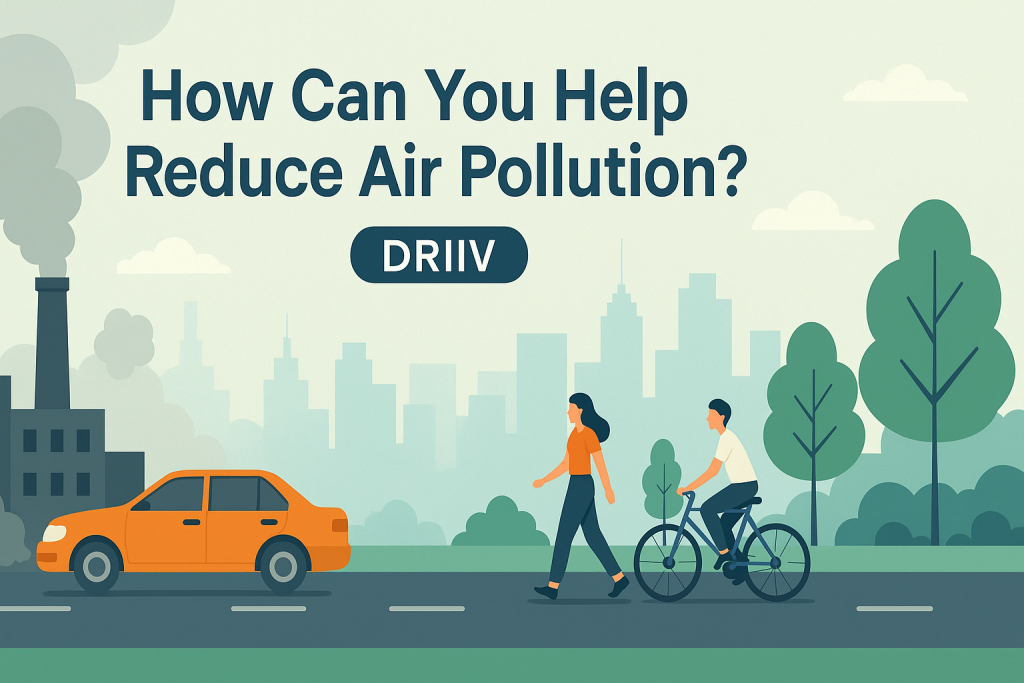
You may think that only big companies or governments can stop air pollution, but that’s not true. Every person can contribute to Air pollution mitigation. Here are some simple things you can do:
1. Use Public Transport or Carpool
Using buses, metros, or sharing rides reduces the number of vehicles on the road, which means less pollution.
2. Walk or Cycle Short Distances
Walking and cycling are not only healthy but also eco-friendly. They create zero pollution.
3. Avoid Burning Waste
Never burn garbage, leaves, or plastic. Burning releases harmful gases into the air.
4. Plant More Trees
Trees clean the air by absorbing carbon dioxide and producing oxygen. Join plantation drives or plant trees at home.
5. Save Energy at Home
Switch off lights, fans, and appliances when not in use. Use energy-efficient appliances to reduce the demand for power plants.
6. Say No to Firecrackers
Firecrackers release a lot of smoke and harmful gases. Avoid them, especially during festivals.
7. Support Clean Energy
Encourage the use of solar panels, wind energy, and other renewable sources that do not produce air pollution.
How Governments and Companies Help in the Control of Air Pollution
Apart from individual efforts, the control of air pollution requires strong action from the government, industries, and organizations like DRIIV. Let’s see how:
1. Strict Pollution Control Laws
The government makes rules to control factory emissions, vehicle pollution, and construction dust.
2. Public Transport Improvement
More metro lines, electric buses, and better roads encourage people to leave their cars at home.
3. Industrial Waste Management
Industries are asked to treat their smoke and gases before releasing them into the air.
4. Promoting Electric Vehicles (EVs)
Electric vehicles run on batteries, producing zero emissions, unlike petrol or diesel vehicles.
5. Monitoring Air Quality
Air quality monitoring stations help track pollution levels and take action in polluted areas.
Modern Technologies to Control Air Pollution
Today, advanced technologies to control air pollution are making a big difference. DRIIV is proud to work on and promote such technologies. Here are some of them:
✔ Cyclonic Separators
These devices use centrifugal force to remove dust and particles from the air before releasing it.
✔ Smog Towers
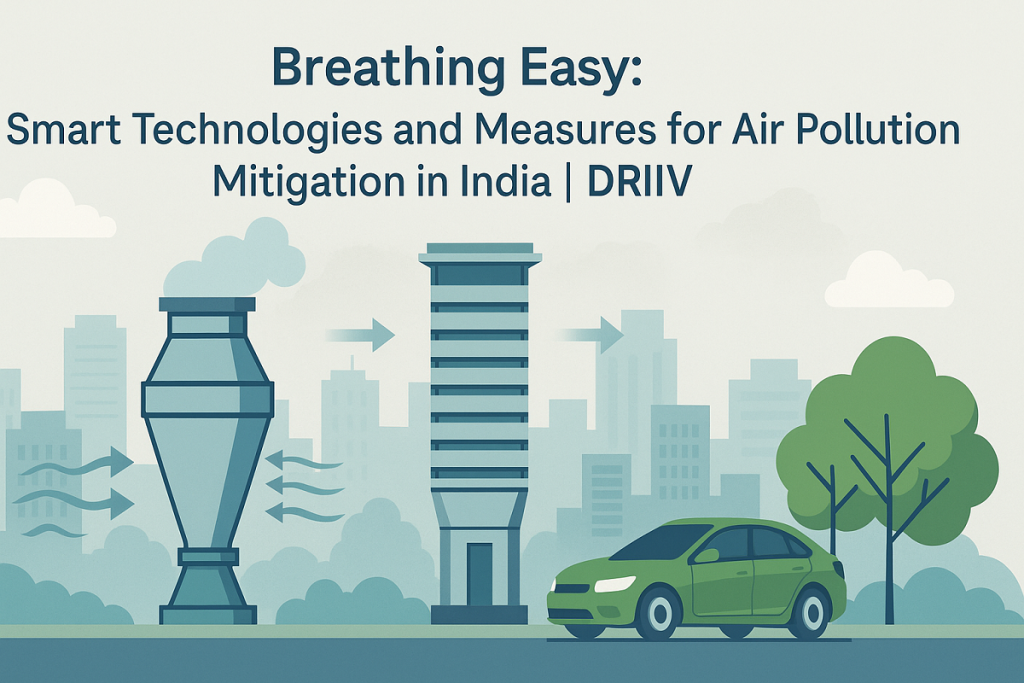
These tall structures suck in polluted air, filter out harmful particles, and release clean air. Delhi has already installed some smog towers.
✔ Electric Mobility
Using electric cars, bikes, and buses reduces pollution from fuel-burning vehicles.
✔ Renewable Energy Integration
Solar panels and wind turbines produce clean energy without releasing harmful gases.
✔ Energy Efficiency Technologies
New machines and appliances that use less energy help reduce the need for burning fossil fuels.
✔ Plasma Pyrolysis for Waste Management
This technology converts waste into harmless gases using high temperatures, reducing pollution from garbage.
DRIIV is working closely with researchers, industries, and the government to promote these technologies to control air pollution for a cleaner future.
Role of DRIIV in Air Pollution Mitigation
At DRIIV, we believe that innovation and collaboration are the keys to a pollution-free world. Our projects focus on:
- Developing smart pollution control technologies
- Supporting research in renewable energy
- Promoting electric mobility solutions
- Encouraging industries to adopt green technologies
- Raising public awareness about the mitigation of air pollution
We are committed to building a cleaner, healthier India by using science, technology, and partnerships.
Conclusion
Air pollution is a serious problem, but together we can fight it. Simple lifestyle changes, along with advanced technologies, can make our air cleaner. Governments, companies like DRIIV, and citizens must work together for effective Air pollution mitigation.
So, start today. Walk when you can, plant trees, reduce waste, and support clean technologies. Every small step matters.
Together, we can ensure a healthier future for ourselves and generations to come.
FAQs: How Can You Help Reduce Air Pollution?
Q1. What is the mitigation of air pollution?
Mitigation of air pollution means taking steps to reduce harmful gases and particles in the air to make it cleaner and healthier.
Q2. How can I help reduce air pollution at home?
You can save electricity, avoid burning waste, use energy-efficient appliances, plant trees, and reduce vehicle use.
Q3. What are the best technologies to control air pollution?
Some effective technologies include smog towers, cyclonic separators, electric vehicles, renewable energy, and plasma pyrolysis.
Q4. How is DRIIV contributing to Air pollution mitigation?
DRIIV works with researchers, industries, and the government to promote clean technologies, electric mobility, and sustainable waste management to reduce pollution.
Q5. Why is the control of air pollution important?
It protects our health, reduces diseases, protects the environment, and helps in the fight against climate change.